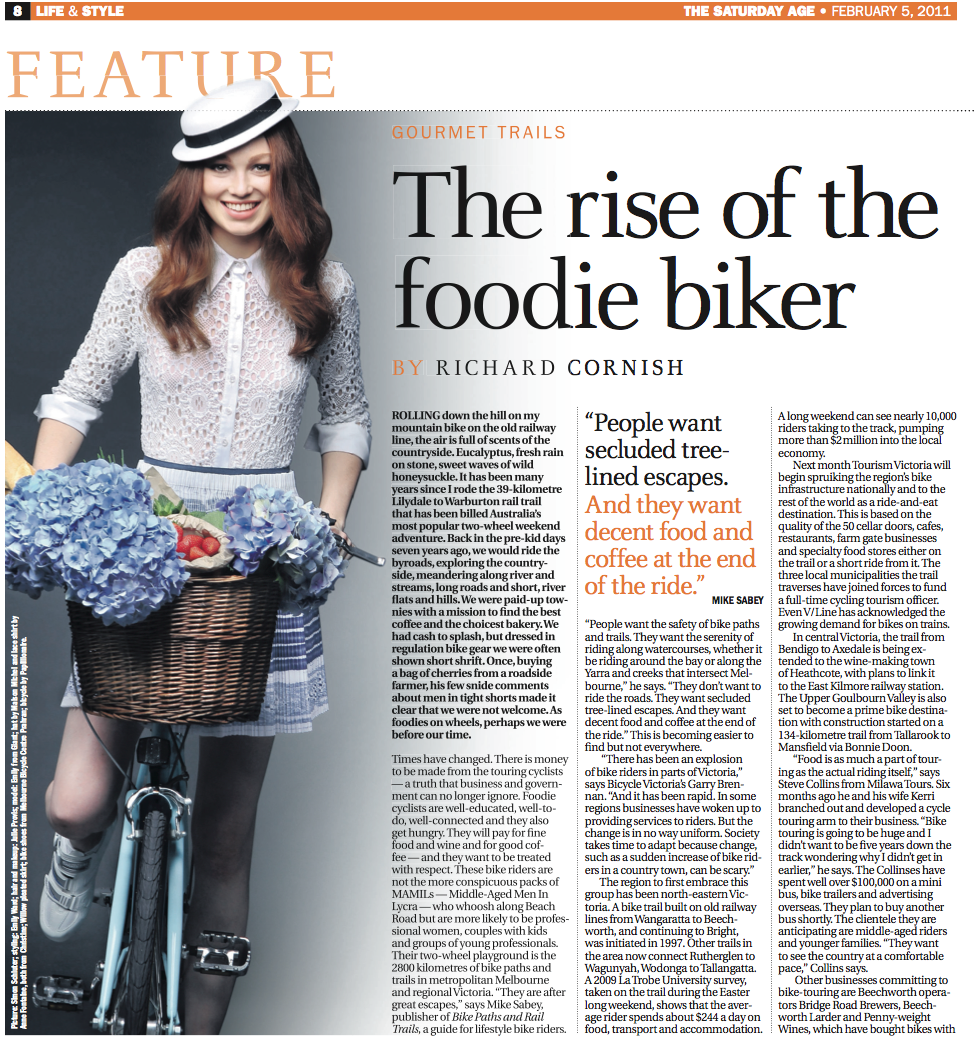
The Feature Article
There are many types of feature articles, such as travelogues, profiles, historical, and research-based articles. A feature article takes a critical look at a topic, offering readers an insight in order to help them better understand an event, an individual, or a topic. As opposed to news articles, feature articles go beyond the who, what, where and when of the story by explaining the how and the why. A feature article examines a topic in a broader context and in greater detail.
In other words, the difference between a news article and a feature article is that … well… the news article presents news whereas a feature article does not deal with something new. For example an article on something that has happened today would be a news article, whereas an article on something like the stranded Chilean miners or the sinking of theTitanic would be a feature article. Moreover, a feature article is longer and more detailed than a news article, explaining the how and the why of a story and therefore allowing for a better, deeper understanding of the issue. Feature articles are mostly found in magazines and sometimes in newspapers. The approximate equivalent of a feature article in motion picture form would be a documentary.
The writer of a feature article is expected to take an angle, meaning to focus mainly on one aspect of the issue. For example, the author of a feature article on an ecological disaster may choose to focus more on the health effects of pollution rather than discuss pollution in general terms. Likewise, the author may choose to focus more on the legislation to stop pollution than the health effects of ecological disasters. This focus on specific, rather than general, is called ‘angle’. What is important to remember is that the angle is not the writer’s opinion.
Similar to news articles, the audience of feature articles is the general public.
Like any form of writing, feature articles follow - with certain variations - a standard structure.
Structure
In general, feature articles have five basic components: a headline, a secondary headline, a lead, a body, and a conclusion.
- The headline: should catch the reader’s attention
- The secondary headline: makes the topic and the angle clear by presenting the controlling idea of the article.
- The lead: is meant to hook the reader and to establish the purpose of the article. The lead should be the most creative part of the article.
- The body: is the part where the writer presents the information and develops the topic.
- The conclusion: is meant to wrap up the article by making a lasting impression on the topic.
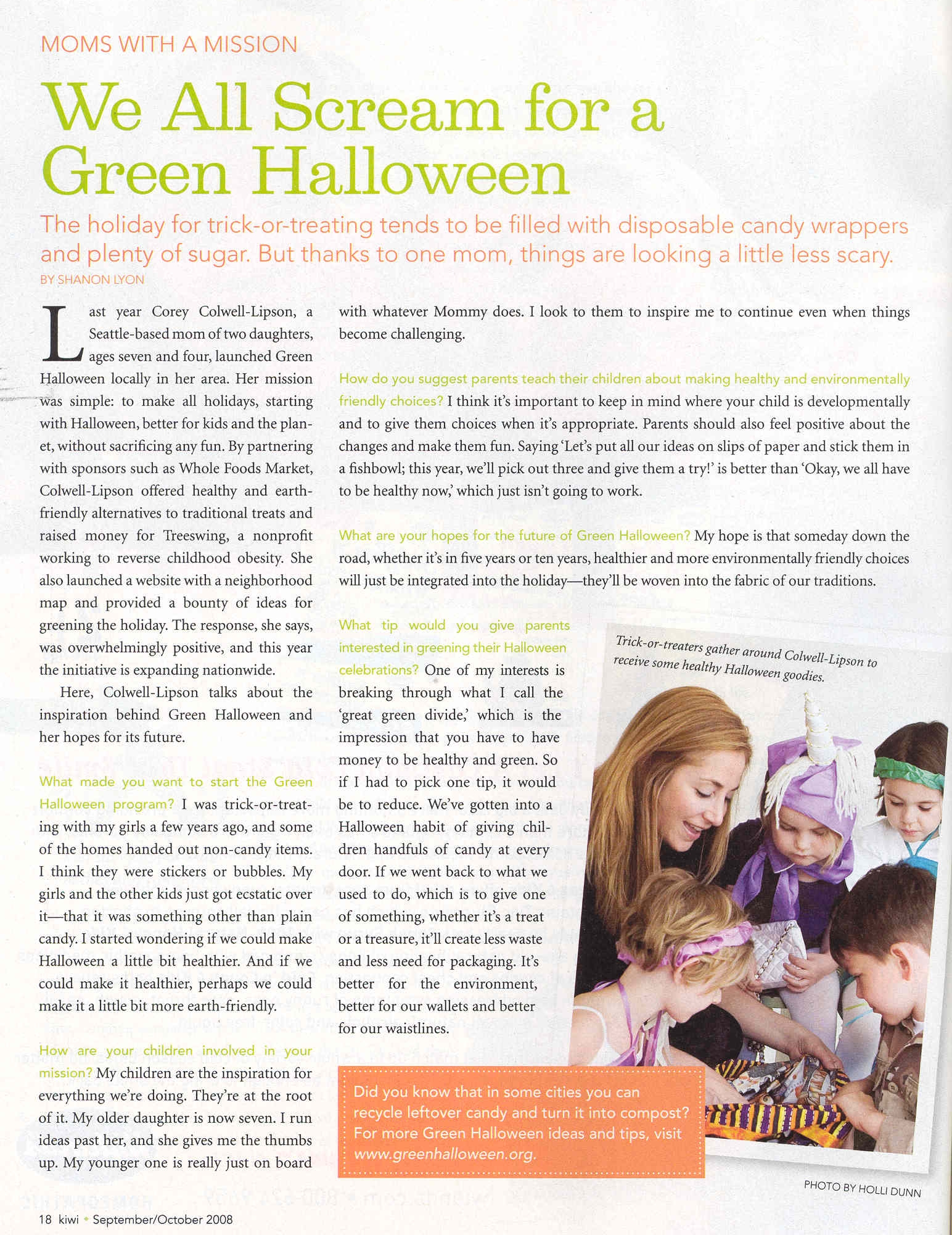
- Additional components: feature articles also include other components such as photographs, captions, drop caps, sidebars or pull-quotes to add visual impact or highlight information.
Here are some examples of feature articles:
http://greenhalloween.org/img/kiwi_article.JPG
http://www.aaarchitect.com.au/downloads/manly-daily-lifestyle-home-bathroom-14March2013.jpg

http://www.apsco.org/Data/Content/image/Cititec%20Business%20Reporter%20Article%20June%202013.png

http://www.bikepaths.com.au/system/0000/0547/saturday_age_thumb_small.png?1297119420